

A wooden pinisi hull held in its timber cradle on the dry dock at Makassar in late afternoon light

Our formula standards

How We Select Our Formulas

This page sets out the criteria we use when deciding what enters the Kuat Alami range. Written so you can judge it against something concrete, not a slogan.

Why this page exists

A criterion you can check against our shelf

Where we fall short of a criterion, we would rather say so than hide it. The gaps are listed near the bottom, in the same plain language as the standards.

Natural supplements for men are sold on a crowded shelf, and most pages describing them lean on the same handful of assurances. The result is that a visitor has very little to hold on to. Read any bottle in the range and you should be able to answer three things without opening a search tab: what the formula is for, how much of each active ingredient is in a serving, and which chemical form of that nutrient you are buying.

Everything below explains how we get to those answers for the men's vitamin supplements we carry, what documentation we ask suppliers for, and where the limits of that documentation sit. Use it as a checklist for our range, or for someone else's.

  • One clear intended use per formula
  • Amount per serving printed, not pooled
  • Named nutrient form on every label
  • Supplier paperwork kept on file

Six criteria we apply before a formula is listed

Each one is a filter, not a claim. A formula that fails any of them does not go on the shelf, and a formula already listed gets pulled if a raw material becomes restricted.

A clear intended use

Every formula must answer one question: what is this for, in plain language? "General daily nutrition" or "nutritional support across a training week" are clear. "Total wellness" is not. If the intended use cannot be stated in a single sentence without vague words, the formula is not ready, and it stays off the shelf until someone rewrites that sentence properly.

This criterion also filters out products that exist only because a category is selling well this year. There is nothing wrong with a formula being popular products for men in a given season; that just is not a reason to add it.

Documented amounts

Every active ingredient must be listed with an amount per serving. No proprietary blends that hide individual doses behind a total milligram figure. This is the single most useful filter we apply, because a blend that hides amounts usually hides small ones, and the label gives a reader nothing to compare with the next bottle.

Documenting amounts also makes comparison across products possible, which matters when two formulas share zinc or magnesium. If you are stacking vitamins and minerals for men across a week, you need per-serving figures to check that you are not doubling up by accident.

Defensible forms

The chemical form of a nutrient affects absorption and tolerance. We ask for the specific form, such as zinc bisglycinate versus zinc oxide, and we print it on the label. Where a cheaper form is used, we say so rather than implying otherwise, and the site text for that product names what is inside it.

We do not claim that one form is always superior for every person or every situation. We claim that the customer should be able to see which one they are buying, so a pharmacist, a doctor, or a careful reader can form their own view.

No stimulants in energy formulas

Energy products in this range do not contain caffeine, synephrine, or stimulant blends. Energy and endurance supplements here work on a different idea: energy metabolism depends on nutrients the body uses to convert food, and that is what the formula targets, alongside the everyday habits that support it.

A stimulant gives a short rise and a longer fall, and it interferes with sleep, which then worsens the original problem. If you want caffeine, coffee is cheaper and you control the dose. What we will not do is hide a stimulant inside a capsule so the label looks broader than it is.

No restricted ingredients

Nothing in the range requires a prescription or is restricted for sale in Indonesia. We check this before a formula is added and recheck when regulations change, because a raw material can move from permitted to restricted with very little warning.

If a raw material becomes restricted, we reformulate or discontinue the product rather than continue selling existing stock. This is a threshold criterion, not a marketing point, and it is the reason a product you liked can disappear from the range without much ceremony.

Supplier traceability

For each raw material we ask for a specification sheet, an allergen statement, and country of origin. Batch records let a finished container be traced to the lots used, so a question about one bottle can be answered with the paperwork for that bottle rather than a general assurance.

We do not require every supplier to hold a specific certification, because that would exclude small producers with good documentation. We do require that the documentation exists and that the supplier answers questions about it, promptly and in writing.

What we leave out

Things we do not treat as criteria

  • Sales volume, packaging appeal, or how a product photographs for a listing.
  • Trend popularity, or an ingredient name that is simply having a good year.
  • A well-known ingredient name with no dose behind it on the label.
  • Broad jargon about cleaning or resetting the body, which tells a reader nothing they can act on.
  • Clinical trial language when no trial was run on the finished formula.

An ingredient may have research behind it while the specific finished product does not, and the two should not be blurred into one sentence. That distinction is the reason this page exists at all. See how it plays out on the range itself via Ingredients & Formulas.

A work table at the dock with sample pouches and paperwork folders used to check supplier documentation

Papers we ask for

One folder per raw material

The documentation set is small and unglamorous, and it is the part of this process that actually decides whether a supplier stays in the range. Each folder holds the same three items, updated when a supplier changes a source or a process.

Specification sheet
Assay range, physical form, particle or sieve detail where it applies
Allergen statement
Declared carriers, processing aids, and cross-contact notes
Country of origin
Where the raw material was produced, not where it was packed
Batch record
Lot numbers that link a finished container back to the lots used

A supplier who cannot produce these, or who produces them only after repeated asking, is not a supplier we keep. That standard is what a customer is really buying when they buy a bottle from this range. Browse the wider listing on Our Products.

Reader rule

Judge us with the label in your hand

A standard only means something if a customer can use it to check our work. Read the label of any product you buy and compare it against the criteria above. If an amount is missing, if a form is unstated, or if a claim looks like a treatment claim, write to us with the product name and the batch number printed on the container. We will check it and correct the site where it needs correcting.

Where the range falls short

Saying this plainly is more useful than implying otherwise. These limits are part of the same record as the criteria above.

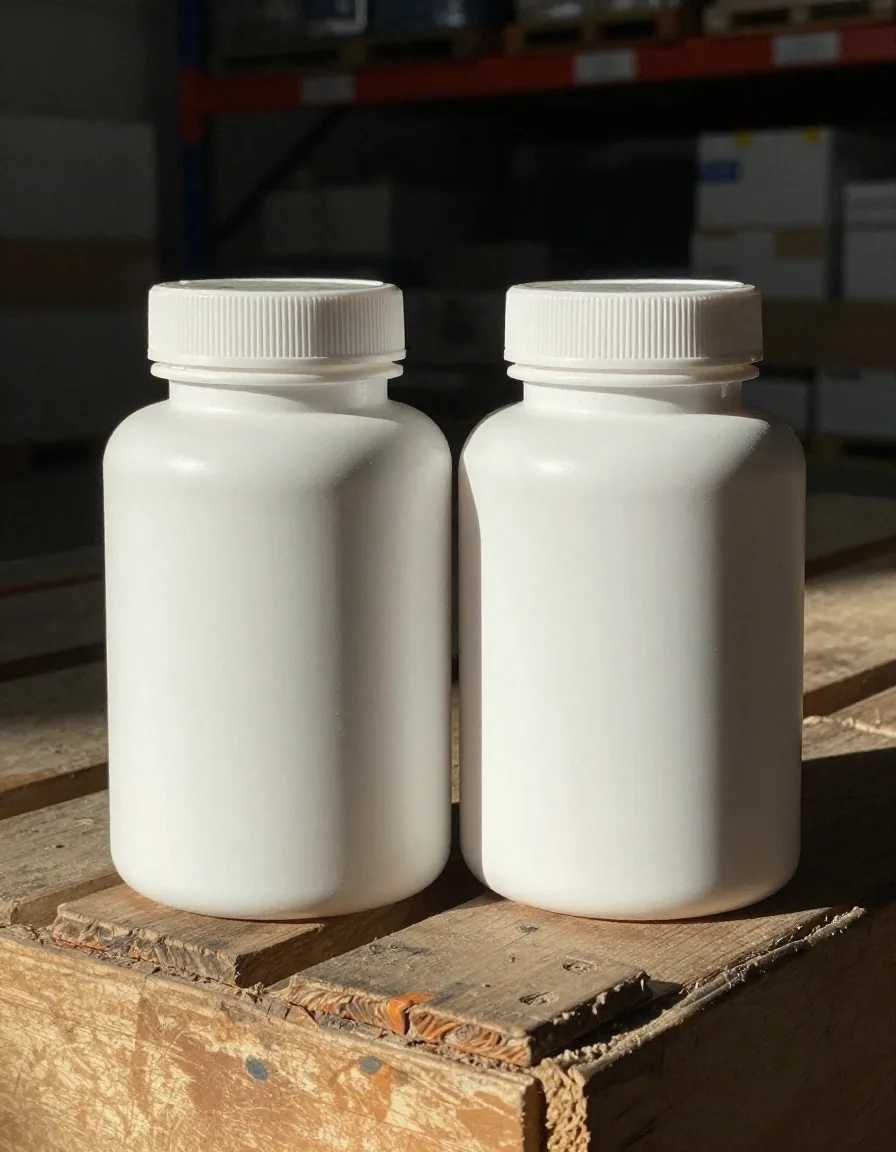
Two unbranded supplement bottles side by side on a crate, being compared

Nutrients repeat across products

Some nutrients appear in more than one formula, which requires the customer to check totals before stacking two products. We print every amount, but we cannot decide for you how much you take across a week.

A short stack of closed supplier folders on a wooden desk in late afternoon light

Documentation depends on the supplier

Not every supplier offers the same depth. Some hand over a full assay history; others supply a specification sheet and little more. We do not hide that difference behind a single quality badge.

A clean workshop bench with an empty steel tray and beaker

We do not run our own laboratory

We rely on supplier data rather than independent verification of our own, and we would rather say that than imply a testing capability we do not have. A visitor who wants third-party results should ask a supplier directly.

Practical questions

Reading a label before you buy

Short answers to the questions that come up most often about how these standards apply to daily use, healthy lifestyle products, and natural capsules for strength and vitality.

How do I check the amount of a nutrient in a formula?

Find the amount per serving on the label and read it as it applies to one dose, not to the whole container. If two products you take both list zinc or magnesium, add the figures across a day before deciding. If the label only gives a total milligram figure for a blend, treat that as a warning rather than a number.

Why do you print the nutrient form instead of a general claim?

Because the form is what a buyer actually selects between. Zinc bisglycinate and zinc oxide are not the same purchase, and the difference matters to people who care about tolerance. Printing the form also stops us from writing vague superiority claims, since the reader can see exactly what was chosen and ask a pharmacist or doctor about it.

Do I need stimulants for energy and endurance?

Not from us. Energy metabolism uses nutrients the body already depends on to convert food, and supporting that is different from pushing the nervous system for a few hours. Sleep, food, and steady training matter more than any capsule, and a formula that promises a jolt usually borrows against tomorrow's energy. The Energy & Endurance Guide goes into the everyday side in more depth.

What should I send when I ask about a batch?

The product name and the batch number printed on the container are enough to start. If you are asking about an ingredient rather than a bottle, send the ingredient name and the question you want answered. We will look through the folder for that raw material and reply with what we hold, including the parts that are missing.

Next step

Hold us to the criteria above

If you want to see how these rules land on a real product, start with the range or the ingredient breakdown. If you have a question about a specific bottle, a batch, or a supplier document, write to us and we will answer with what we hold. For everyday context around men's health support, the Healthy Lifestyle Hub covers the habits that sit alongside any supplement.

Kuat Alami

Reach the team directly

Address
Jl. Sultan Hasanuddin No. 32, Sawerigading, Ujung Pandang, Makassar, 90115
Working hours
Monday–Friday, 09:00–18:00

Products in this range are dietary supplements, not medicines. They are not intended to diagnose, treat, cure, or prevent any condition. If you take prescription medication or manage a health condition, speak with a qualified professional before adding anything to your routine.